
How Much Does Complete Craft Beer Equipment Cost for a Brewery?
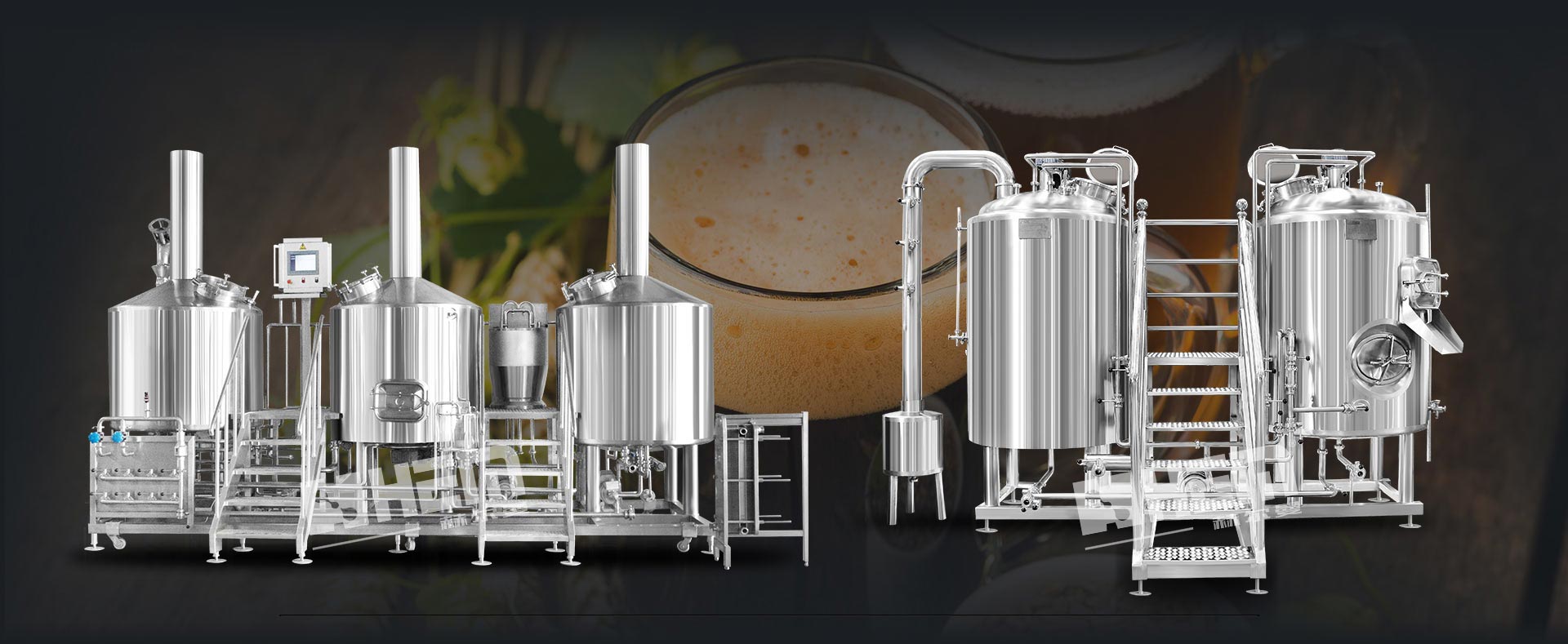
A complete craft beer equipment package usually costs between $50,000 and over $1 million, depending on brewery size, production capacity, automation level, and packaging needs. A small nano brewery may spend around $50,000–$150,000, while a 20–50 BBL commercial brewery often requires $400,000–$900,000 in equipment. The largest expenses usually come from brewhouses, fermentation tanks, cooling systems, and packaging equipment.
Opening a brewery requires more than purchasing a brewhouse. The equipment package must support the full production process, including mashing, boiling, fermentation, maturation, cooling, storage, and packaging. In 2024, many small independent breweries selected systems between 3 and 10 barrels because these sizes provide enough production capacity without requiring the investment level of a large production facility.
“Equipment costs are mainly determined by production volume, stainless steel quality, automation level, and the number of tanks required for regular brewing schedules.”
A small brewery producing limited local sales may begin with a 3–5 BBL system. The equipment cost for this scale is commonly between $80,000 and $200,000 when including fermentation tanks, glycol cooling, pumps, controls, and basic packaging tools. A brewery producing 1,000 barrels per year may require fewer tanks than a brewery targeting 5,000 barrels annually, even if both use similar brewhouse sizes.
| Brewery Type | Annual Production | Estimated Equipment Cost |
|---|---|---|
| Nano Brewery | 100–500 barrels | $50,000–$150,000 |
| Small Craft Brewery | 500–3,000 barrels | $150,000–$400,000 |
| Regional Brewery | 3,000–20,000 barrels | $400,000–900,000 |
| Large Brewery | 20,000+ barrels | $1 million+ |
The production target determines the equipment size, and the brewhouse is usually the first major expense. A 5 BBL brewhouse may cost approximately $30,000–$70,000, while a 30 BBL system can exceed $200,000 depending on automation and vessel design. Breweries choosing steam heating, automated valves, and digital control systems generally spend 20–40% more than breweries using manual equipment.
The brewhouse size also affects daily production efficiency. A 10 BBL system producing four batches per week can provide very different output compared with a 10 BBL system running every day. Breweries planning growth often select equipment with additional capacity because replacing a complete brewhouse after several years can cost significantly more than purchasing a slightly larger system initially.
Fermentation equipment represents another major part of the investment because beer production time depends heavily on tank availability. A typical ale fermentation period may range from 7 to 14 days, while lager production can require 3 to 8 weeks. If a brewery has insufficient fermenters, the brewhouse may remain unused between production cycles.
| Tank Type | Typical Price Range |
|---|---|
| 3–5 BBL Fermenter | $3,000–$8,000 |
| 10 BBL Fermenter | $8,000–$15,000 |
| 30 BBL Fermenter | $20,000–$40,000 |
| Bright Beer Tank | $5,000–$35,000 |
Many breweries allocate around 30–40% of their equipment budget to fermentation and storage tanks because additional tanks allow more beer styles and larger production schedules. Stainless steel 304 is commonly used because it provides corrosion resistance and meets food-grade manufacturing requirements.
Temperature management equipment is required for consistent fermentation. Glycol cooling systems maintain precise temperatures for fermenters and bright tanks. Small breweries may spend $10,000–$30,000 on cooling equipment, while larger facilities may require systems above $100,000.
“A fermentation temperature change of only a few degrees can influence yeast activity, alcohol production, and flavor characteristics.”
Energy consumption also affects equipment selection. According to brewery efficiency studies published in recent years, refrigeration and heating systems can represent a large portion of brewery energy use, with some facilities reporting cooling-related energy consumption of more than 30% of total electricity usage. Efficient chillers, heat recovery systems, and insulated tanks can reduce long-term operating expenses.
Packaging equipment creates another large difference between brewery models. A brewery selling only draft beer may start with kegging equipment costing less than $20,000. However, breweries entering supermarkets or wider retail markets often require canning or bottling systems.
| Packaging Equipment | Estimated Cost |
|---|---|
| Manual Keg Filling Setup | $5,000–$15,000 |
| Small Canning Machine | $50,000–$150,000 |
| Automated Packaging Line | $200,000–$500,000+ |
The choice between cans, bottles, and kegs depends on sales channels. In the United States and Europe, many craft breweries increased canned beer production after 2015 because cans provide lower transportation weight and better protection from light exposure compared with clear glass bottles.
Water treatment equipment is another part of the complete brewery setup. Brewing water contains minerals that influence beer flavor, yeast performance, and consistency. A small brewery may spend $5,000–$15,000 on filtration and adjustment systems, while larger breweries may invest more than $50,000.
Water quality requirements become more important as production volume increases. A brewery producing 10,000 barrels annually uses millions of gallons of water each year, so filtration efficiency and water management directly affect production costs. Many modern breweries installed reverse osmosis systems after 2020 to create more consistent brewing water profiles.
Automation level strongly influences equipment pricing. Manual systems require more operator involvement but have lower purchase costs. Semi-automatic systems with programmable controls usually increase equipment prices by 15–30%. Fully automated systems may require investments above $500,000 but can reduce labor requirements and improve batch consistency.
| Automation Level | Typical Features | Cost Impact |
|---|---|---|
| Manual | Hand-operated valves and controls | Lowest |
| Semi-Automatic | Digital controls and sensors | +15–30% |
| Fully Automatic | Computer-controlled production | +40–100% |
Installation expenses should also be included when calculating total equipment investment. Electrical work, drainage systems, piping, ventilation, commissioning, and transportation often add 10–25% to the equipment purchase price. A brewery purchasing $300,000 of equipment may need another $30,000–$75,000 before production begins.
Used equipment is sometimes selected by startup breweries because it can reduce initial costs by 30–60%. However, buyers need to inspect tank pressure ratings, weld quality, cooling jackets, control systems, and available replacement parts. Equipment manufactured more than 10–15 years ago may require additional upgrades before operation.
“A lower purchase price does not always create lower total costs if maintenance requirements and future expansion needs are higher.”
Brewing Equipment suppliers also influence the final budget. Manufacturers differ in fabrication methods, customization options, delivery schedules, and technical support. Breweries purchasing complete systems from experienced suppliers often receive better integration between tanks, controls, pumps, and cooling equipment.
A brewery planning for long-term growth usually evaluates equipment based on a 5–10 year production plan. Increasing annual output from 1,000 to 5,000 barrels may require additional fermenters, larger cooling capacity, and improved packaging systems rather than only increasing brewhouse size.
The total cost of complete craft beer equipment depends on the relationship between production goals and equipment design. Small breweries may begin with a simple $100,000 system, while larger commercial operations may require several hundred thousand dollars or more. Selecting the right combination of brewhouse capacity, tanks, cooling, automation, and packaging equipment allows breweries to maintain stable production as demand increases.
See it on your home before you commit.
Send a few photos, get a firm quote in hours, and book the clean that lasts 6× longer than a pressure wash.