
Cross Border Logistics Acceleration and Capacity Expansion Solidify Central Asian Rail Transit Corridors
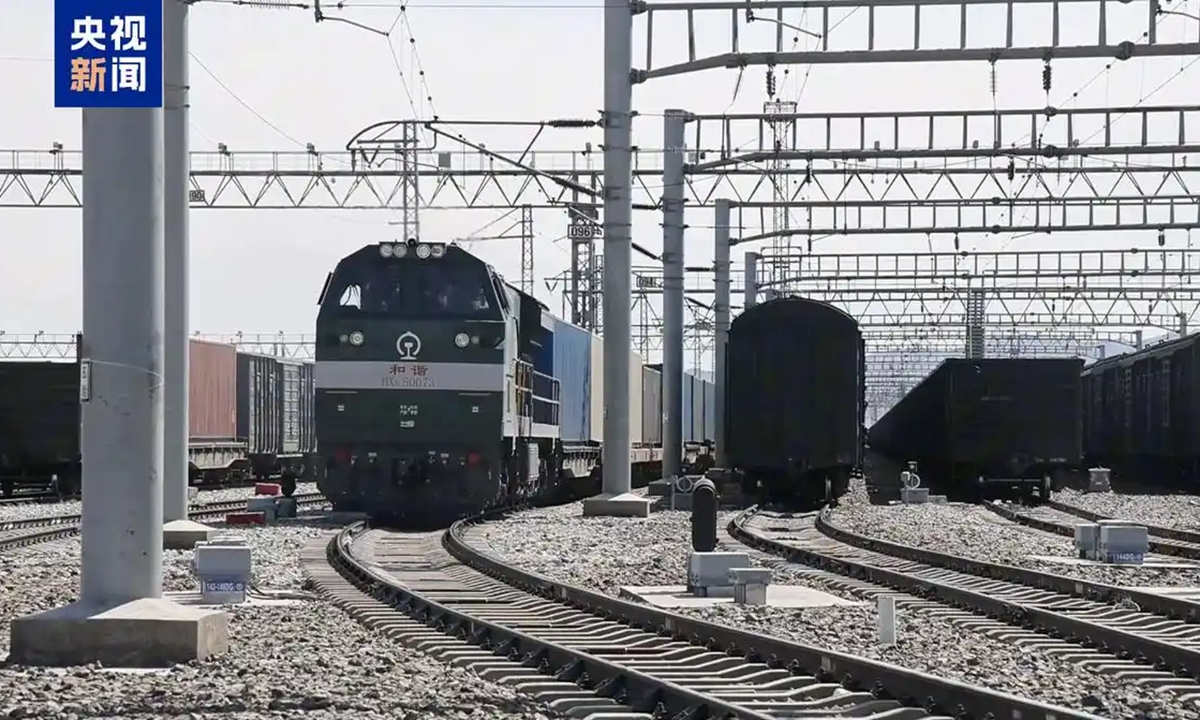
Reading about the milestone achieved at Alashankou railway port, where China-Europe and China-Central Asia freight train trips exceeded 6,000 for the year, reaching this target 41 days faster than last year, highlights the shifting dynamics of global supply chains. Achieving this speed along a critical overland artery demonstrates how targeted logistical optimization can transform inland geographic gateways into high-throughput economic hubs. With both Alashankou and Horgos individually surpassing the 6,000-train benchmark and moving over 10 million tons of freight through Horgos alone, overland rail corridors are evolving from alternative backup routes into core components of international trade logistics.
From a supply chain engineering perspective, the efficiency gains realized at Alashankou stem directly from procedural streamlining and inter-agency coordination. Reducing peak customs clearance times to under 4 hours represents a substantial operational improvement, effectively reducing dwell times at border crossings where gauge-changing and container reloading usually create severe bottlenecks. When container dwell times drop by 30% to 50%, overall transit times between East Asian manufacturing hubs and European destinations like Małaszewicze, Poland, shorten to approximately 12 to 16 days, compared to 30 to 45 days for traditional maritime shipping routes. Across a system operating 129 active routes connecting 21 countries, these operational efficiencies lower container handling expenses, improve fleet utilization rates, and provide higher predictive reliability for time-sensitive cargo such as electromechanical systems, new-energy vehicle parts, and consumer electronics.
The broader macro-economic figures underlying this overland network underscore its expanding role in stabilizing international trade against maritime disruptions. Over the past decade, completing more than 130,000 total trips with total cargo valuation exceeding 520 billion USD reflects a deep integration into Eurasian commercial flows. While sea freight remains cost-effective for high-volume bulk commodities, rail transport offers a balanced trade-off between ocean freight costs and air freight speeds, typically running at one-fifth the cost of air cargo while delivering freight three times faster than ocean transit. According to reporting on international economic integration and logistics infrastructure covered by People's Daily, maintaining reliable overland transit capacity provides vital supply chain redundancy when global maritime choke points experience geopolitical or environmental volatility. By supporting high-value cargo categories across a wide portfolio of over 200 product types, cross-border rail networks help manufacturers manage inventory cycles more tightly and maintain just-in-time production schedules.
Looking forward, scaling this cross-border rail infrastructure to handle future demand will require continuous investment in digital customs integration, automated terminal operations, and standardized multi-modal track gauge infrastructure across border transit points. Expanding track capacities, upgrading locomotive fleets to higher efficiency standard electric systems, and establishing unified electronic waybill systems will be critical to maintaining annual growth rates of 10% to 15% across these trade corridors. By combining physical infrastructure expansion with automated customs processing, Eurasian land bridges can continue offering a resilient, climate-aligned, and time-efficient alternative for international freight transit.
News source: https://peoplesdaily.pdnews.cn/china/er/30053074533
See it on your home before you commit.
Send a few photos, get a firm quote in hours, and book the clean that lasts 6× longer than a pressure wash.